
Synergy Leadership Internship Program
Mercy Works, 2025
This case study is more than a success story. It documents the immersion-based fieldwork I undertook, which ultimately led to the development of The Fire Framework™ methodology. I originally approached this engagement as a volunteer interested in Mercy Works' mission to advance workforce opportunities for Syracuse youth. What began as a desire to share my skills with a local organization became an opportunity to apply my anthropology background to diagnose impact narratives across organizations. As a result, I present a case study on the critical role qualitative research plays in organizational contexts, supporting capacity building, surfacing findings unique to each organization, and identifying the conditions necessary for each organization's mission to thrive.
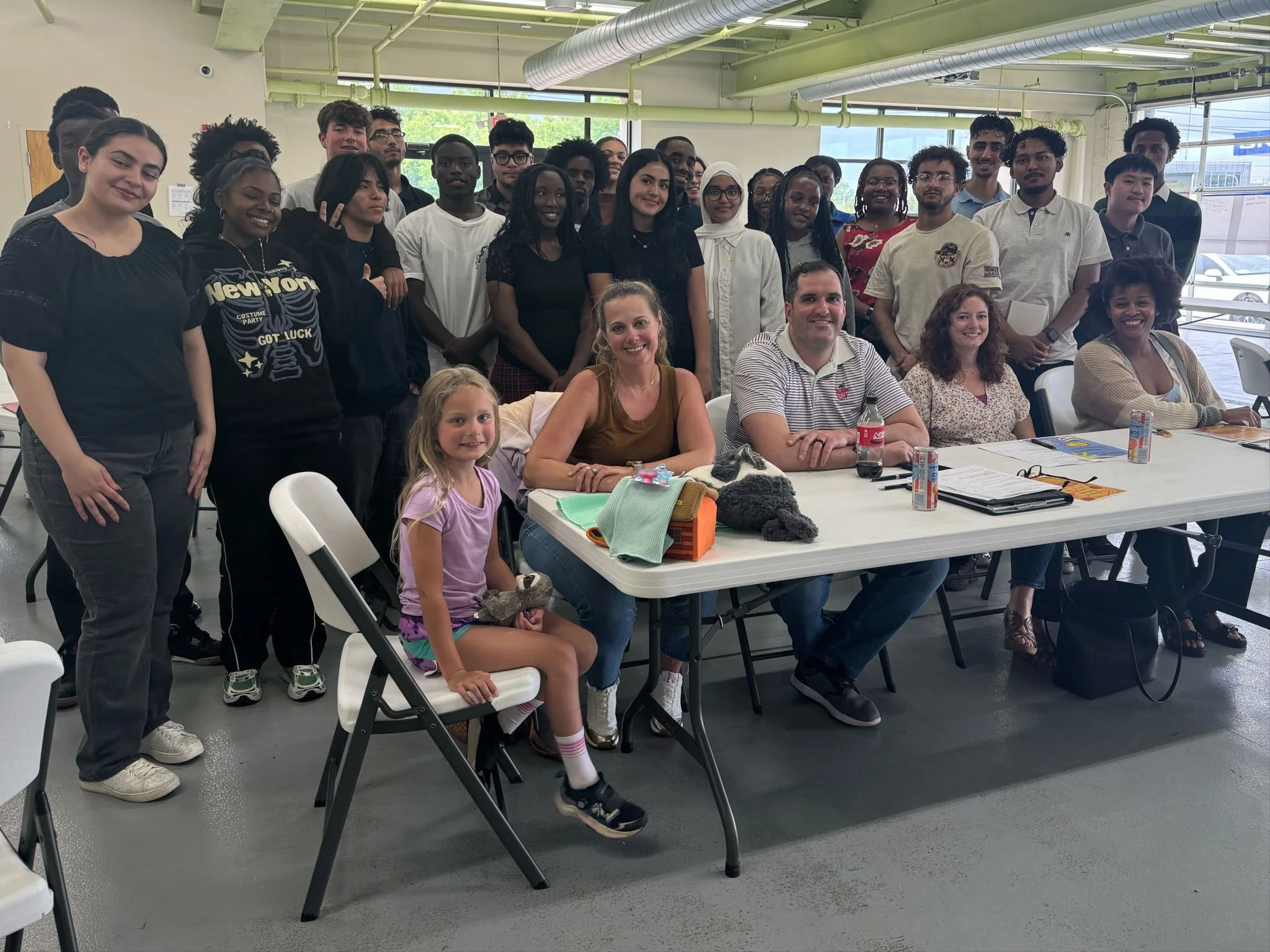
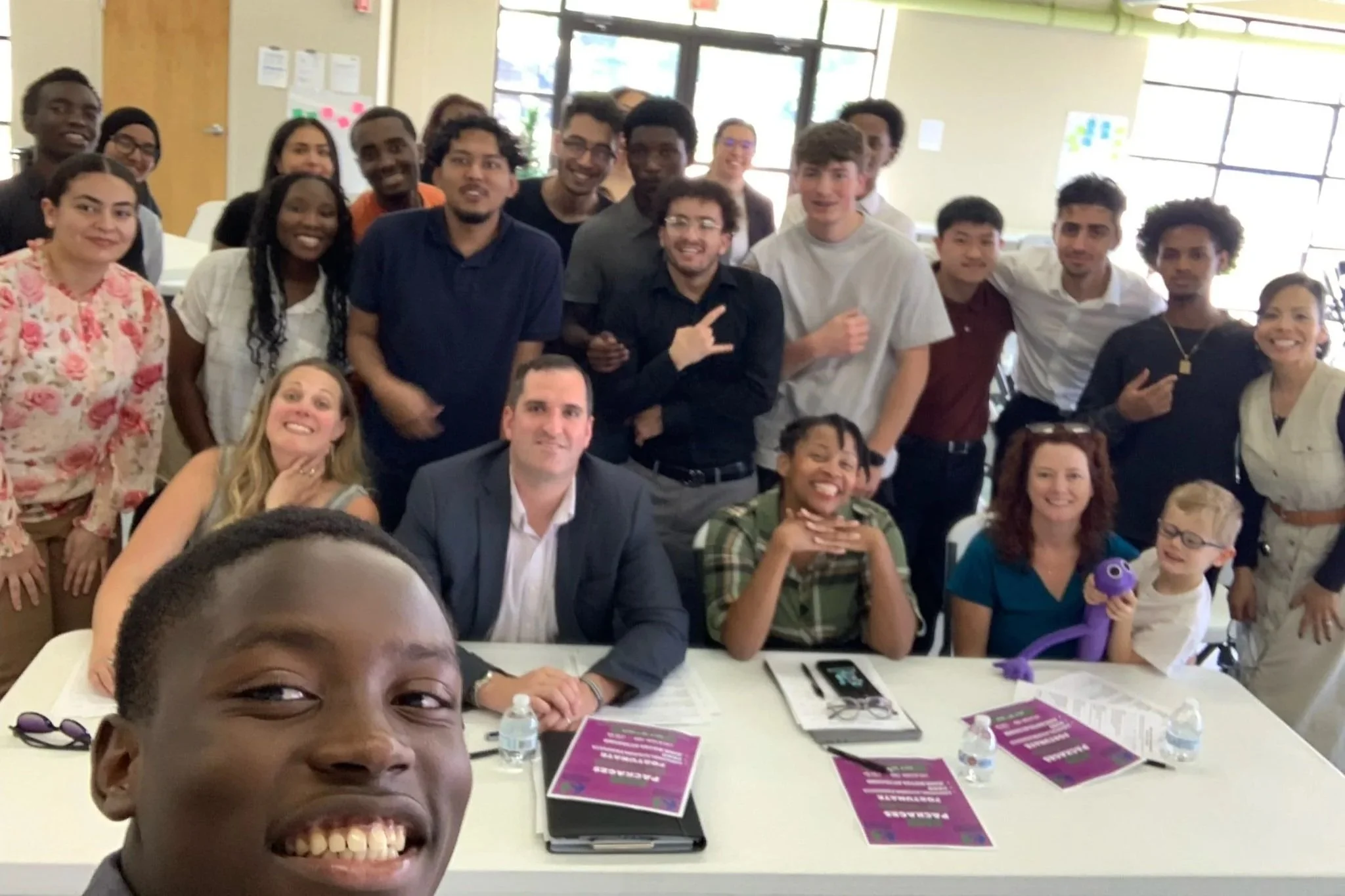
The Synergy Leadership Internship program is a workforce development initiative that places high school and undergraduate students in 10-week, field-related, paid internships across Onondaga County. Students engage in personal, professional, and mental health development, as well as civic engagement training addressing social issues such as literacy, homelessness, and mental health. By the end of the program, students are prepared for long-term employment in their hometown of Syracuse, NY. Since 2015, Synergy has placed over 475 participants. The program is the flagship offering of Mercy Works, Inc., which is housed at the Clarence Jordan Vision Center on Syracuse’s south side. I was initially onboarded as a marketing volunteer in January 2025 to support the program’s marketing and communications efforts ahead of the 2025 recruitment season.
The Challenge
Mercy Works underwent personnel restructuring in the summer of 2024. The reduction in critical organizational and program staff included marketing and development. As a result, the Synergy program director assumed these functions while actively recruiting for the following year’s cohort. A major challenge was securing grant funding to cover program expenses, including student stipends. Marketing had been inactive for more than a year, creating a capacity gap in attracting and retaining donors and funders, especially at a time when storytelling can heighten the urgency of the appeal. While my initial focus was rebuilding this function, I supported the program director with grant writing to secure funding for the program.
Immersion
Leveraging my years of marketing experience across diverse nonprofit and organizational contexts, along with my background in anthropology, I immersed myself further in the organization to understand its day-to-day operations. I conducted qualitative observational research for 10 weeks. Research activities included direct program participation (delivering a presentation during orientation week and serving as a judge for a civic project) and observing students' participation in workshops. Other administrative activities included coordinating an alumni lunch, interviewing employer partners, and supporting graduation.
Discovery
It wasn’t until Implementation Day, in week nine, that I realized the program's real value. For five weeks, students independently identified, proposed, and executed viable solutions to challenges in their community. Each student group coordinated with local institutions, such as community centers, libraries, and shelters, to implement their interventions. Some groups recruited local experts to deliver mini-workshops; others conducted direct outreach and met their communities where they were to address their needs. This was an impressive demonstration of students’ ability to critically assess, devise, and implement radical solutions to real-world challenges. Another important observation was that students, especially college students, deliberately chose to spend 10 weeks of their summer at home to work. Yes, they were getting paid, but they were applying their academic training to real-world problems and could bring that field experience back into their coursework. These observations suggest a program that differs from what marketing, communications, and previous grant applications have described.
Synthesis
After the program ended for the year, I met with the program director to review the program's grant readiness for the coming year. I led a formal session to share my findings and synthesize an organizational impact narrative, positioning the program as a dual-model initiative that combines professional skills with hands-on project development for civic engagement. The narrative detailed the program's impact in preparing students to confidently adopt a change-agent mindset and step into leadership roles, while delivering tangible benefits to the greater Syracuse area.
Results
The previous program narrative positioned the program as another Syracuse workforce development program for young adults. The revised impact narrative shifted the messaging from appeals to invest in developing local talent to deploying self-actualized youth into diverse work environments, working side by side with civic leaders and local employers, to address city-related challenges. The revised narrative also framed Synergy as building a pipeline for emerging young talent, ready to contribute their academic and professional skills to building a more sustainable city, one they can be proud to call home.
With the new impact narrative, the Synergy Leadership Program cultivated partnerships with regional funders, reactivated dormant donor relationships, and recruited local leaders to provide additional administrative and leadership oversight, enabling the program director to explore sustainable on-the-ground solutions.